



We’ve barely recovered from New Year’s Eve. And now we’re only a week away from a world cross-country. A common complaint among the more ‘mature’ – don’t call us old! – is that modern life moves too fast, but a world cross-country 10 days into the new year? Too soon?
I think so. In a ‘normal’ world cross-country year, most countries would be just getting around to selecting teams at this stage of the year. Of course, in the southern hemisphere we’re long accustomed to preparing for World Athletics’ ‘winter’ championships in the heat of a southern hemisphere summer.
But a week into the year is something else again. The major cross-country events of the northern hemisphere have barely gotten under way (even if the European championships are now held pre-Christmas). But as athletics moves towards the major championships being scheduled as the final event of the track and field season, cross-country is heading in the other direction with a world championship at the start of the winter season.
Circumstances, I know. Apparently, the Local Organising Committee told World Athletics when their bid was accepted that the January date was the preferred (only?) option. The date has been in the calendar. But a calendar entry is one thing, now we’re facing the reality.
World Athletics has been tweaking its calendar of World Athletics Series events for a few years now. The winter championships – world cross-country and world indoors – have borne the brunt of the changes. Additionally, the impact of Covid was felt more heavily on the winter events than the summer ones.
In announcing some of these changes back in the pre-Covid days, World Athletics proclaimed that each discipline would have a season capped by a season-ending championship. For cross-country, that championship would be brought forward from the traditional late-March timing to February.
Aarhus 2019 remained in March, Bathurst was to be held in February 2021 before Covid and its aftermath pushed it back into 2023. It turns out to have been the only February world cross-country until at least 2029. The next championships were scheduled for Croatia in 2024 (in another change, the championship had moved to even-year timing), but the original hosts withdrew and Belgrade took over late with the proviso the championships were held in March!
Now, Tallahassee in January and, it appears – not sure there’s been an official announcement – the next edition will be 2029. We’ve gone back to odd years, but at the cost of skipping 2027 it would seem. We began the 2020s with a four-year gap between Aarhus and Bathurst; now there will be a three-year gap between Tallahassee and 2029.
But, hey, it’s the world cross-country we’re talking about and many of us think it remains the toughest race in the world to win. We would watch it whenever and wherever it is scheduled. Phenomena such as the fierce heat of Mombasa in 2007 and Bathurst – not to mention the tumultuous storm which broke in the closing stages on the latter occasion – are all just part of the drama. Likewise courses such as the rock-strewn sand of the golf course in Amman in 2009 are just racing over the country that is there, as genuinely cross-country as the mud, water and plough of the most traditional English course.
So, what will Tallahassee 2026 offer us. Some who wondered on the possibility of alligators on the course will not be surprised to see that the chicane of car tyres on Bathurst that could either be jumped or zig-zagged through has been emulated with a series of alligators (fortunately not of the living kind). There will also be the now-traditional mud-pits and loose sand among the ‘challenge areas’ to be negotiated each lap.
I haven’t seen entries as of the time of writing. Given the timing issues of world cross-country in recent years these will undoubtedly ‘drop’ as soon as I press ‘Send’. But there’s enough information to suggest we are in for highly competitive racing. One tradition of world cross-country never changes.
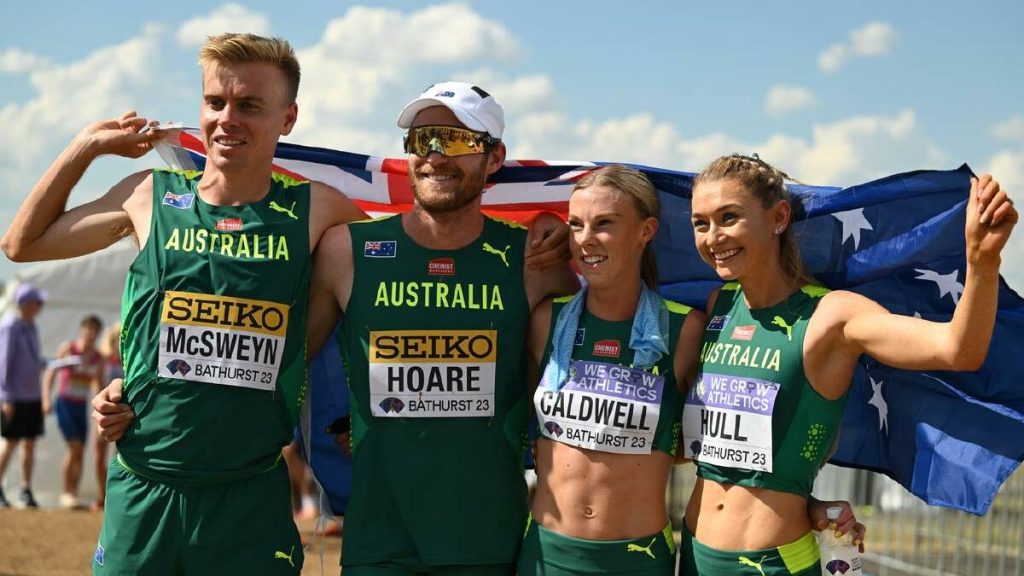
Bathurst brought Australia a bronze medal in the mixed relay (Olli Hoare, Jess Hull, Stewart McSweyn and Abbey Caldwell) to go with two earlier women’s team bronzes. To date though, our only individual medal is Benita Willis’s magnificent gold in Brussels in 2004.
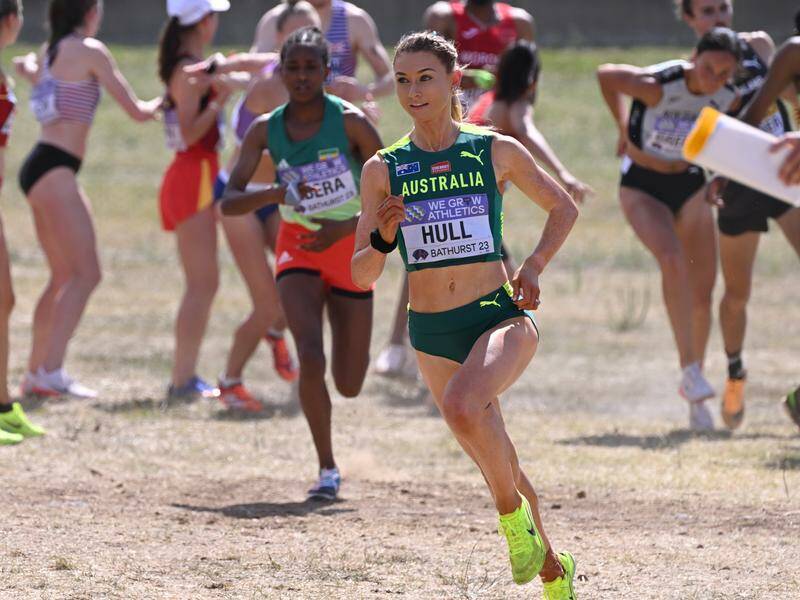
The latter statistic is unlikely to change in Tallahassee, but hopes are high in the relay again and the men’s team needs only a top-15 finisher to be well in the hunt for a medal, too.
Tune in. You’d be mad to miss it.