

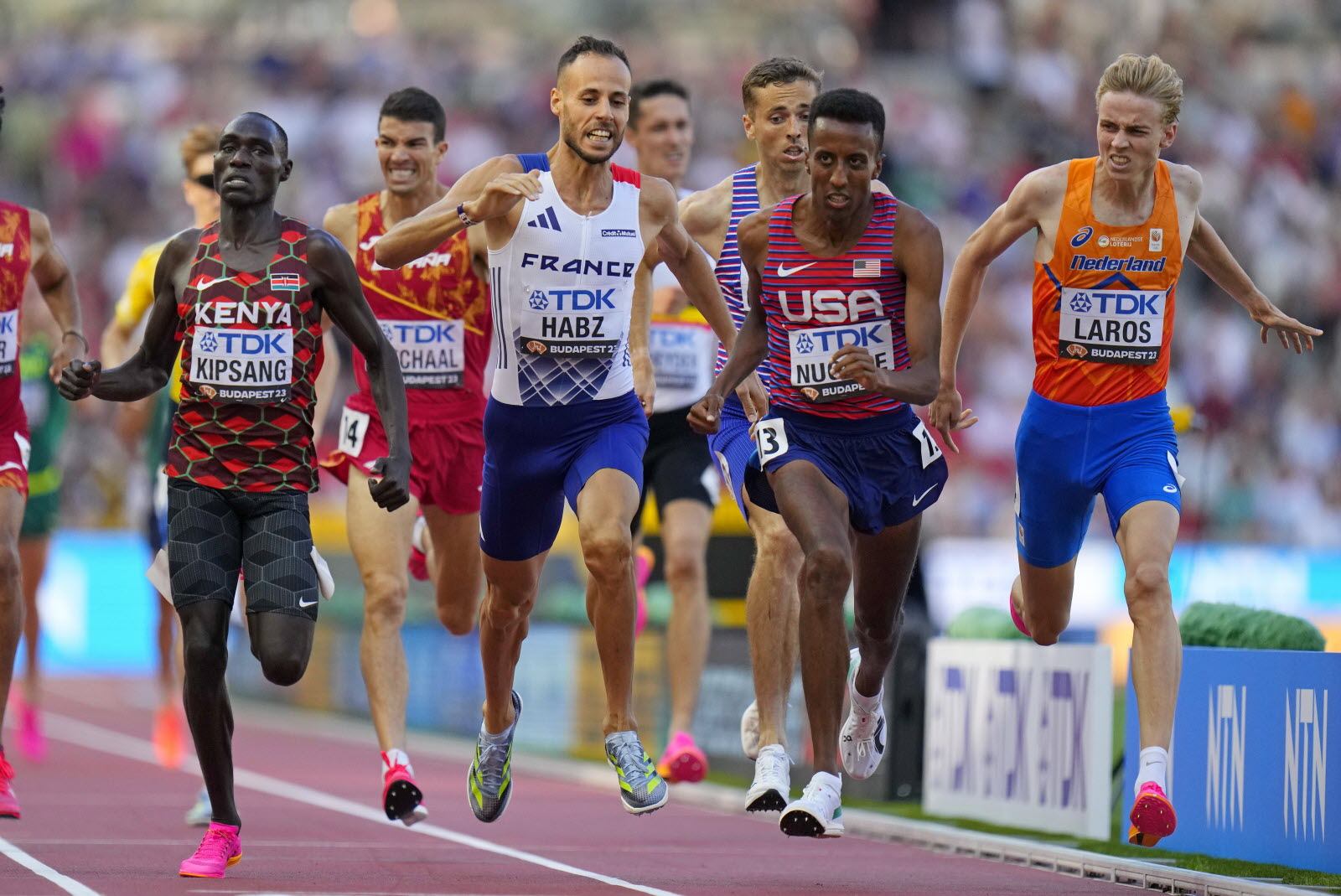


Running isn’t only about chasing faster times. The real wins happen when runners make smarter choices—long before they cross the finish line.
Whether you’re lacing up for your first 5K or aiming for a marathon personal best, success now means blending hard data, lived experience, and sharp decision-making. Elite athletes and weekend warriors alike use a mix of analytics, intuition, and planning to get more out of every mile.
This article unpacks how the smartest runners train, race, and recover—proving that running well is as much about brains as it is about speed.
How digital resources give runners a strategic advantage
Today’s runners are flooded with data—split times, GPS routes, heart rate zones, and more. The challenge isn’t finding information; it’s knowing which sources actually move the needle when it comes to smarter decisions.
This is where platforms like lazybu guru come into play. For Lithuanian athletes and sports enthusiasts, it’s become much more than a betting portal. It’s a hub for performance analytics, bookmaker reviews, bonus tips, and in-depth strategy guides.
I’ve seen firsthand how having structured insights—whether about race-day odds or trends in recent marathon finishes—lets runners approach events with a sharper edge. It isn’t just about choosing which event to enter or which shoes to wear; it’s about understanding patterns in training loads, spotting where others hit the wall, and even using betting markets as an extra set of “crowdsourced” predictions on race outcomes.
The most strategic athletes don’t rely on gut feeling alone. They combine hard numbers with lived experience to shape everything from their training block tweaks to pacing plans for unfamiliar courses. When these tools are used wisely, they offer more than just information—they turn uncertainty into actionable confidence.
Whether you’re chasing a personal best or looking for new ways to level up your running knowledge, having access to clear data and expert guidance can be the edge that keeps you ahead of the pack.
The science of pacing: data, wearables, and self-awareness
Pacing isn’t just about sticking to a number on your watch—it’s knowing when to push and when to hold back.
Today’s runners rely on GPS watches, heart rate monitors, and detailed analytics to dial in their pace for training and racing.
These tools offer incredible insights into speed, effort, and progress. But even with all this tech at our fingertips, the most successful runners balance data with personal experience.
Self-awareness—listening to what the body is saying in real time—remains just as important as stats on a screen.
Wearable tech and real-time feedback
From smartwatches tracking every split to foot pods measuring cadence, wearable devices have become trusted companions for runners of all levels.
This gear delivers instant feedback: pace, distance covered, heart rate zones—even predictions for finish times. The benefit isn’t just knowing your numbers; it’s using them to spot trends and catch signs of fatigue before they turn into trouble.
Smartwatch Performance Study: A 2025 study published in Frontiers in Sports and Active Living found that smartwatches offer high precision—over 97% accuracy—for predicting running performance across common race distances. This confirms that real-time wearable data can play a crucial role in optimizing pacing and supporting distance runners at all levels.
Listening to the body: when instinct trumps data
No device can fully account for how you feel mid-race when conditions shift or unexpected fatigue sets in.
Experienced runners develop an inner sense for pacing—adjusting based on effort level, weather changes, or gut instinct when something feels off. It’s not always easy, but learning this “feel” is often what separates consistent performers from those glued to their screens.
Elite Pacing Strategies: A 2023 study of elite trail runners at the World Mountain and Trail Running Championships shows that even in high-stakes events, runners frequently adjust pacing based on real-time feedback from their bodies—demonstrating that instinct and self-awareness still play a significant role alongside technology.
Strategic race planning: from training blocks to race day
The difference between a solid finish and a breakthrough performance often comes down to planning, not just raw speed.
Smart runners map out their season in detail, breaking down goals and creating training cycles that build toward peak races.
This approach helps runners stay motivated and resilient, even when unexpected obstacles pop up on the path to race day.
Training cycles and goal setting
Effective runners don’t just log endless miles—they structure their training around clear, realistic objectives.
Periodized training means building up gradually, peaking at the right time, and backing off to recover. It’s how you avoid burnout or injury while still making steady progress.
A 2023 guide from The Runners Shop shows the benefits of blending fitness milestones with mental wellness. Their Running Goals Guide 2023 encourages planning blocks of focused work followed by recovery. This helps keep motivation high throughout the year, whether you’re chasing a marathon PB or aiming to simply enjoy running more.
Adapting to race conditions
No two race days are exactly alike—and the best runners know how to pivot their strategy in real time.
Factors like sudden heat, muddy trails, or strong competition can all demand last-minute adjustments. Sometimes it’s changing nutrition plans mid-race; other times it’s tweaking your pacing or even revising goals on the fly if things start going sideways.
A 2024 review in Redox Biology highlights that both elites and everyday athletes succeed by staying nimble—modifying pace, fueling routines, and preparation based on evolving conditions (Race Strategy Adaptation). That kind of decision-making isn’t just for podium finishers; it’s a habit every runner can develop with practice and honest self-assessment after each race.
The mental game: focus, resilience, and decision-making under pressure
Mental strength is often what separates those who simply finish from those who run their best race when it counts.
Even with perfect pacing and training, a runner can stumble if nerves take over or focus slips at a crucial moment.
The best runners work on their minds as seriously as their bodies. They use tools like visualization, mindfulness, and careful reflection to sharpen their focus and bounce back from adversity.
This mental edge is built over time—through routine, honest self-assessment, and learning from every challenge faced on the course.
Mindfulness and pre-race routines
For many runners, the hours before a big race can be stressful. Uncertainty creeps in—even for veterans.
That’s where techniques like deep breathing, guided visualization, or a simple pre-race ritual come into play. These habits help anchor attention and cut through the noise of nerves or outside pressure.
I’ve seen athletes go through short mindfulness exercises—focusing only on their breath or mentally rehearsing the first few minutes of the race. This keeps them present instead of worrying about what could go wrong.
A Mindfulness & Resilience Study published in 2023 found these practices significantly improve mental resilience for athletes. Runners were better able to manage anxiety before competition and maintain sharp focus during tough moments on race day.
Learning from setbacks and successes
No runner gets it right every time. What matters most is how they respond after the finish line—win or lose.
The smartest runners review each performance honestly. They ask: What worked well? Where did I freeze up? Did I panic at mile 20—or adapt?
This kind of reflection isn’t just about replaying mistakes—it’s about finding specific lessons that can guide future training or strategy tweaks.
A Reflection After Defeat feature from 2023 highlights how both wins and tough losses become teaching tools. Lithuanian marathoners I’ve met tend to dissect even small local races with friends over coffee—debating tactics, laughing at missteps, and walking away smarter for next time.
Bringing it all together: how strategy and self-awareness set runners apart
Running at your best takes more than quick feet or the latest gadgets.
The real difference comes from smart choices—balancing hard data, lived experience, and that gut feeling you get on race day.
Elite and everyday runners alike now combine technology with old-school instincts, making each decision a step toward their personal goals.
If there’s one takeaway, it’s this: the smartest runners aren’t just chasing seconds on the clock. They’re making every moment, choice, and mile count in a way that’s uniquely their own.