

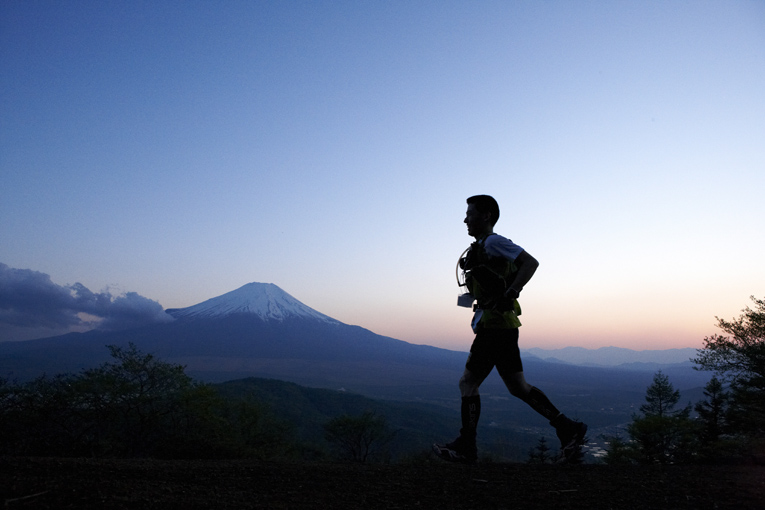


On any given weekend morning in Australia, the signs are unmistakable. Suburban parks fill with runners in fluorescent tops, coastal paths buzz with early risers chasing the sunrise, and rugged trail networks echo with the steady footfalls of athletes preparing for their next endurance challenge. Running in Australia is no longer a niche pursuit. It is a deeply embedded lifestyle choice, embraced across ages, regions, and ability levels.
The Rise of Community Running
One of the biggest catalysts for Australia’s running boom has been the rise of accessible, community-driven events. Weekly 5 km runs organised by parkrun Australia have transformed the way people view the sport. These free, volunteer-led events remove barriers that often stop beginners from starting. There is no pressure to compete, no entry fees, and no expectation beyond simply showing up.
What began as a grassroots initiative has evolved into a nationwide ritual. Families jog together, retirees walk the course, and seasoned runners use the event as a social training run. The emphasis on inclusivity and consistency has helped running become a habit rather than a short-lived fitness goal.
A Lifestyle Built Outdoors
Australia’s natural environment plays an equally important role. With extensive coastlines, urban parklands, and national parks, runners are rarely confined to treadmills. Morning runs along beaches, shaded river paths, and bush trails are part of everyday life in many cities.
This outdoor focus has shaped Australian running culture. Training is often flexible and lifestyle-oriented rather than rigidly performance-driven. Many runners fit sessions around work, family, and social commitments, favouring enjoyment and mental wellbeing as much as speed or distance. Running becomes a way to connect with the environment, not just a workout.
Heat, Grit, and Adaptation
Running in Australia also means learning to adapt. Heat, humidity, and strong sun are constant factors, particularly in summer. Early-morning and evening runs are common, hydration strategies are taken seriously, and pacing is adjusted to conditions rather than ego.
This environment has quietly produced resilient runners. The ability to manage discomfort, remain patient, and listen to the body translates well when Australians step onto the world stage at major marathons and trail events. It also explains why many runners eventually look beyond the road, drawn toward trails where effort, terrain, and endurance matter more than splits.
The Pull of the Trails
Over the past decade, trail running and ultramarathons have exploded in popularity. Events through alpine regions, rainforest tracks, and remote bushland sell out months in advance. These races appeal to runners seeking challenge without the intensity of urban racing scenes.
Trail events emphasise self-sufficiency, respect for nature, and camaraderie. Aid stations feel more like community hubs than competitive checkpoints. The appeal mirrors broader Australian values: resilience, humility, and shared experience. For many participants, the goal is not winning but finishing, learning, and coming back stronger.
Interestingly, this endurance mindset extends beyond sport. The patience and long-term thinking developed through running mirrors how Australians approach other forms of leisure and risk, whether that is long-term travel, entrepreneurship, or even digital entertainment spaces such as a trusted online casino, where discipline and moderation matter as much as excitement.
Participation Over Podiums
What truly defines Australia as a nation of runners is not elite success alone, but participation. Fun runs, charity events, social run clubs, and workplace challenges attract people who may never consider themselves athletes. Running is framed as something you do with others, not against them.
Social media and run clubs have amplified this trend, making it easier to find like-minded groups regardless of pace or experience. Coffee after the run is often as important as the run itself, reinforcing the idea that running is a social connector.
A Movement Still Growing
From the first tentative steps at a local 5 km event to the finish line of a mountainous ultra, the Australian running journey is defined by accessibility, environment, and mindset. It is a sport shaped less by pressure and prestige, and more by community and consistency.
As cities expand their green spaces and trails, and as health-conscious lifestyles continue to gain traction, running’s role in Australian culture looks set to deepen even further. What started as a simple way to move has become a nationwide movement, one stride at a time.