



Carbohydrates are crucial for runners, and hitting the wall due to fatigue can happen when a runner runs out of carbohydrates. During marathon week, runners should pay special attention to their carbohydrate intake. Carb loading is the traditional practice of runners eating more carbohydrates in the days leading up to a race to maximize glycogen stores. Runners racing for over 90 minutes should consider carbohydrate loading, as carbohydrates are stored as glycogen in the liver and muscles and are the primary source of fuel for muscles during a race. Carb loading can help delay fatigue.

Hill running is a workout that every runner should consider incorporating into their training routine. The benefits of hill running are numerous, including improved leg strength, running economy, and endurance. Not only that, but many professional runners swear by the effectiveness of hill running, including British athlete Sebastian Coe and New Balance coach Steve Vernon.

As the spring weather beckons us outdoors, runners are hitting the pavement with a renewed sense of purpose. Whether you're training for your first 5k or your tenth marathon, hill workouts are a vital component of speed work that can benefit any runner, regardless of skill level or experience.

If you're thinking about running your first half marathon, the prospect can be intimidating. But with the right preparation, you can conquer those 21 kilometers and cross the finish line feeling like a champion. Here are some tips to help get you started:
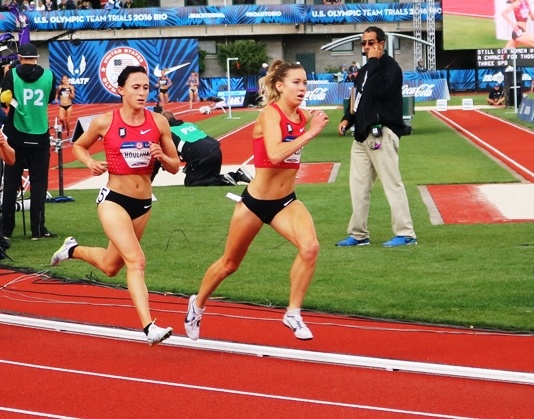
As a graduate student, I neglected my self-care and suffered an ankle injury from stepping off a curb. It left me on crutches for weeks, which took a toll on my mental health. However, that misstep was the catalyst for my journey into running, one of resilience, determination, and growth.
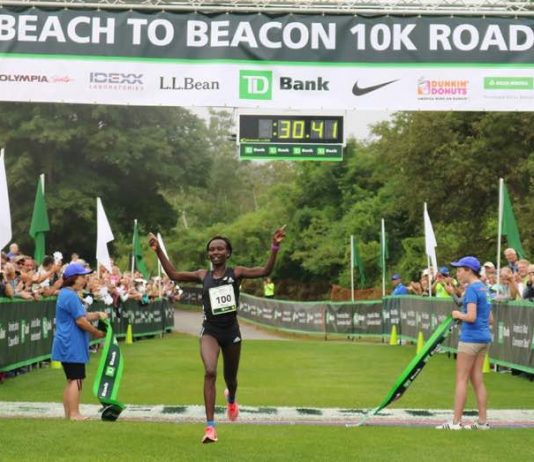
For those who have never run for an hour before, it may seem daunting. However, the 2019 State of Running report suggests that an hour is the average time it takes to complete a 10K race, which is less intimidating than a marathon that takes an average of four hours and thirty-two minutes. This could be why more people registered for 10K races in 2019 than marathons.

For many runners, crossing the finish line as quickly as possible is the ultimate goal. But for some, simply crossing the line before the organizers pack up and leave is enough. In a culture that celebrates speed and power, being a slow runner often comes with little glory. But slow runners have found that there is something special about putting aside their watches and focusing on the experience of running, rather than just the time it takes to finish.
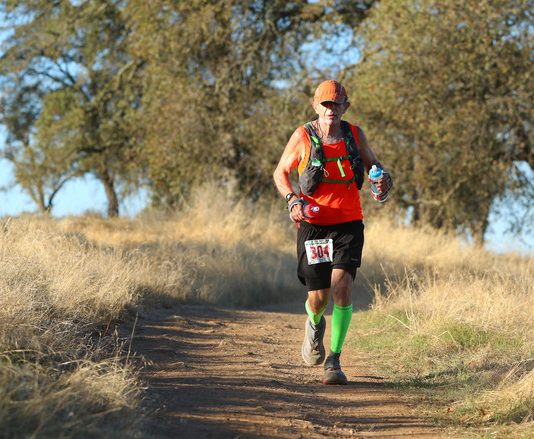
Running into one's golden years requires dedication and intelligence, with injury prevention being the key to longevity. The increasing number of older runners who continue to enjoy competition and fitness serves as empirical evidence of what works.

As a busy person with training goals to achieve, you want to make every minute count. The key to achieving your goals lies in optimizing your training and avoiding injury and burnout. As a coach with experience training Olympians, national and world record holders, and national and NCAA champions, I can help you achieve success in your sport.
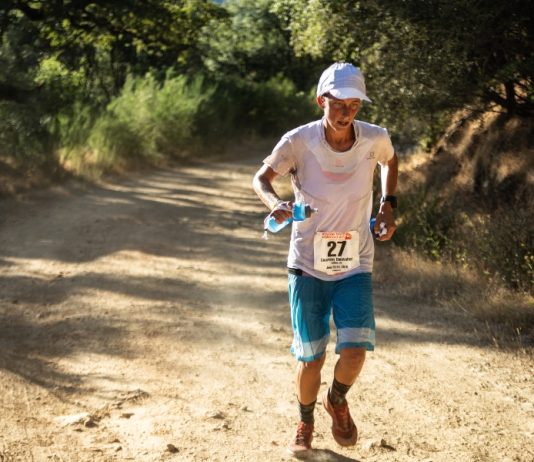
Ultrarunner Courtney Dauwalter has achieved success by adopting a simple approach to training, eschewing the use of fitness tracking devices and rigid training regimens. Dauwalter discovered her love for running at a young age, thanks to the Presidential Fitness Test in elementary school. She went on to join the cross-country team in high school, where she found that running had a social element that she loved.