


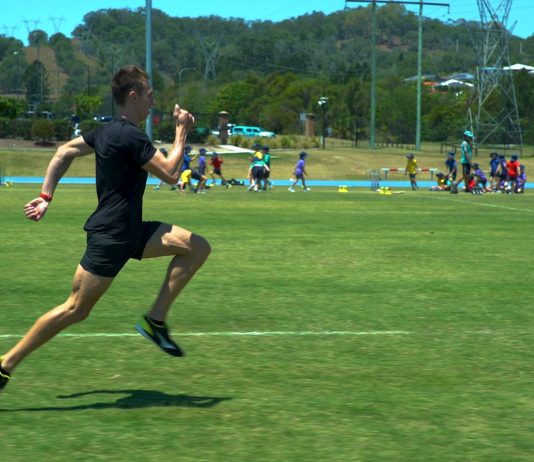

Workout Any Day Series S2 E12 featuring World Championships and Commonwealth Games finalist, Alex Beck.
Produced for Runner's Tribe by professional filmmaker Louie Hadfield of Rolling. Production Co - https://www.facebook.com/rollingproductionco/
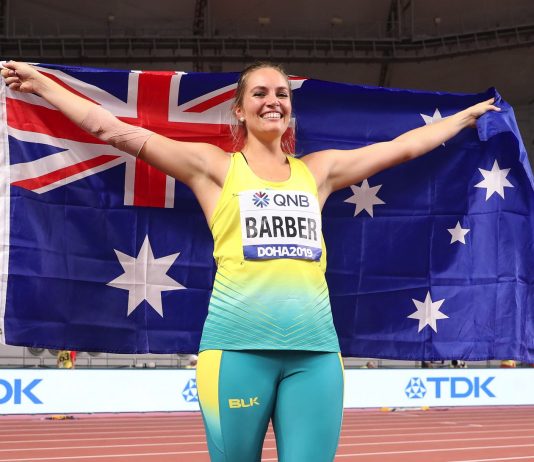
It’s getting to the end of the year, that time when you start to reflect on your favourite things of the previous 12 months.
Of course, we’ve only had just short of 11 months of 2019, which is one of the perils of end-of-the-year reflection. One of my perennially favourite...
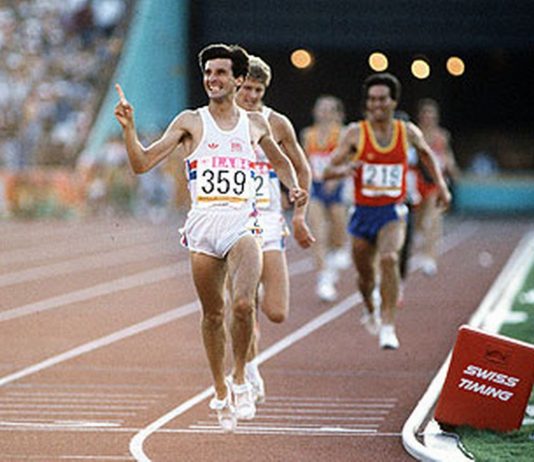
“Long, slow distance running creates long, slow runners. If speed is the name of the game, then never get too far away from it.” - Peter Coe
Seb Coe is the only man to win back to back Olympic 1500m titles (1980 and 1984). At the 1984 Los Angeles Olympics...
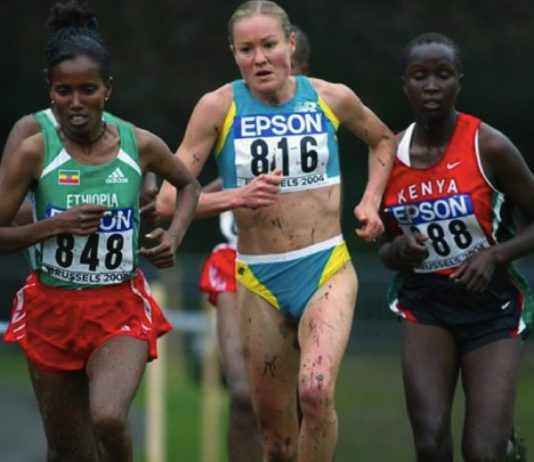
The 2004 world cross country (WXC) in Brussels was certainly the highlight of my career. It was my 4th world cross country (my first time in the 8km race) and without a doubt, going into it, I was in my best shape of my career to date.
Thomas Do Canto is a Sydney based runner and sports podiatrist.
Career Highlights
72nd IAAF World Half Marathon Champs (64:18) 2018
19th Fukuoka International Marathon (2:14:59) 2017
1st Sixfoot Track Marathon 2016
1st Melbourne marathon 2016
2nd Sydney City to Surf 2016 & 2017
3rd Australian Road Running Championships (Sydney:10) 2014
3rd Australian...
A column by Len Johnson - Runner's Tribe
In the world or precious stones, cut diamonds are more precious than raw, uncut diamonds.
The cutting process – expensive in itself – adds value. Expertly cut diamonds will always have more value than raw, uncut diamonds of the same carat, colour and...
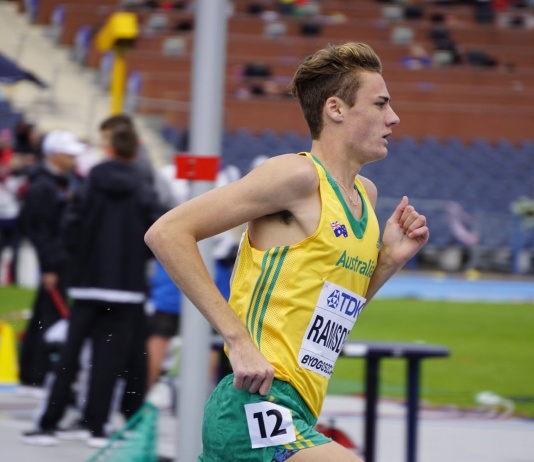
I decided to go down the road less travelled by Australian junior runners, when I passed up the opportunity to go to college in the United States. This was not an easy decision, like all decisions that go against the grain, it poses a risk due to uncertainty. My dad was particularly concerned. As a junior boxing champion, who wasn’t allowed to compete internationally due to the apartheid sanctions in South Africa, my dad struggled to understand why I would turn down an opportunity he would’ve killed for. There were multiple reasons which influenced my decision, but the certifying reason for staying in Australia was that I knew it was my best chance of becoming a great runner, not just a good runner.
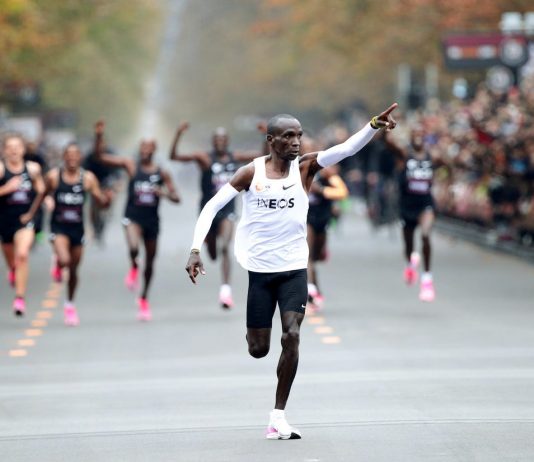
At the INEOS 159 challenge, Runner’s Tribe was lucky enough to catch up with a few members of Eliud Kipchoge’s training squad, to discuss the training of Kipchoge during the build-up to his second crack at running a sub 2-hour marathon. It is important to note that Kipchoge’s training has not changed in many years. Therefore, the below schedule is how Kipchoge prepares for all his marathon races.
An outline is provided below:
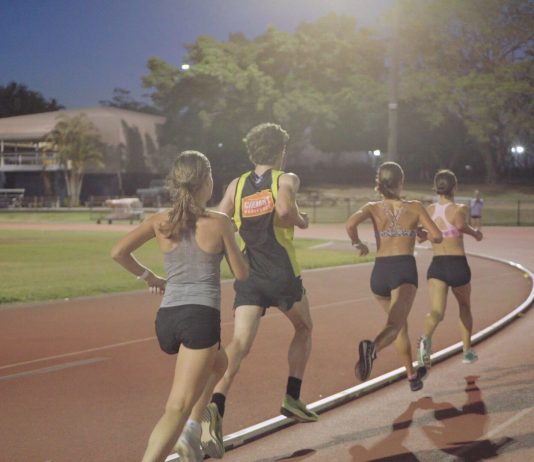
The BAA specialises in Junior Development and High Performance in Athletics and Cross Country. From the 100m to the tracks and trails of XC the Academy aims to nurture and develop both the athletes love for running and their ability within the sport. BAA focuses on developing young athletes...
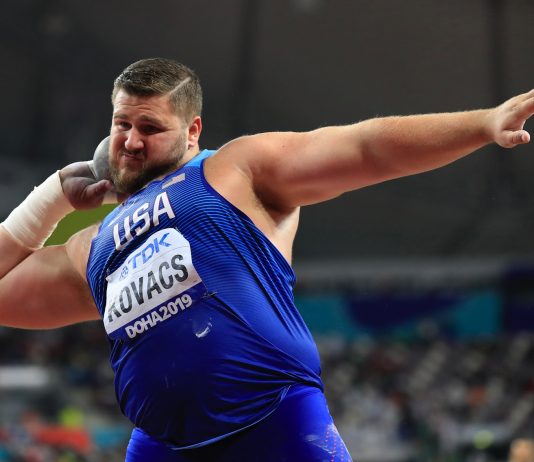
A column by Len Johnson - Runner's Tribe
The men’s shot put at the world championships in Doha was acclaimed by many as the best-ever shot put competition and perhaps the best-ever field event competition.
In the latter category, Joe Kovacs, Ryan Crouser and Tom Walsh are up against stiff competition....