

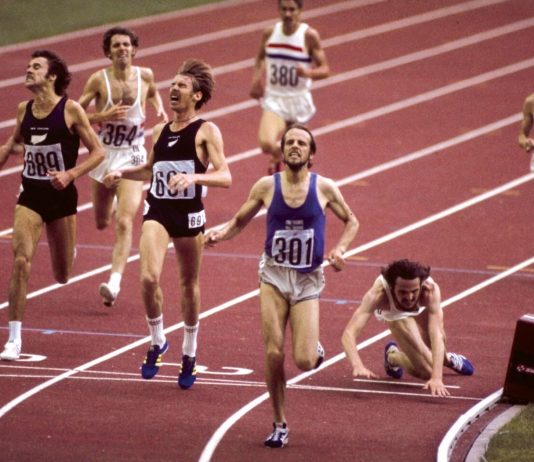
Lasse Viren: Legends of Athletics Key Sessions 50 x 100 meters all-out By Mark Tucker - Runner's Tribe Quietly spoken and introverted off the track, Lasse Viren turned into a mighty warrior on it, becoming one of the most successful Olympians of all-time. A dual 5000m, 10,000m gold medallist in both the 1972...
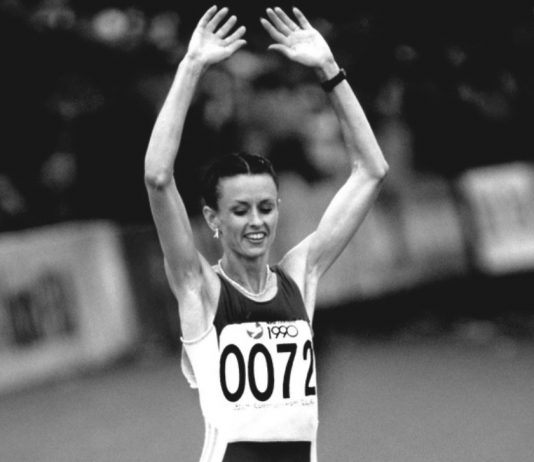
Lisa Ondieki ran her first marathon in December, 1983 at the Rocket City Marathon in Huntsville, Alabama, and it would be fair to say that her career took off like a rocket. Within 12 months, Ondieki, then Lisa Martin, was an Olympic seventh placegetter, the Australian record holder with first, a 2:29:03 at the Los Angeles Olympic Games, and then, a 2:27:40 in Chicago and embarked on a career which saw her become Australia’s only Olympic marathon medallist, a dual Commonwealth Games champion and, for a long time, holder of the ‘world record’ for a women’s race on an out-and-back or loop course.
Working towards a 10,000m race and wish to know what your training ‘race pace’ should be, or what time you think you are capable of? Read on…
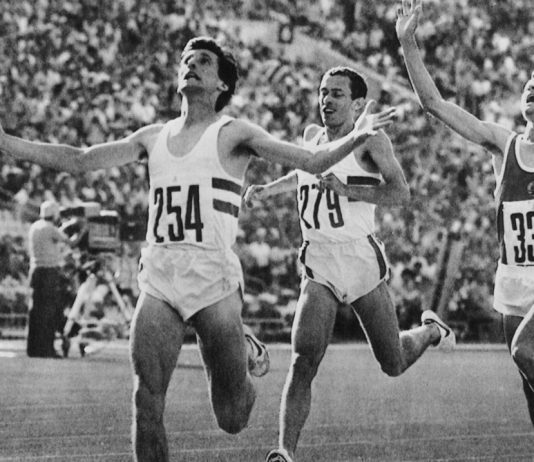
From Bernard Lagat, to Steve Cram, Steve Ovett, Seb Coe, Sarah Jamieson, Sarah Brown, and countless others; 300m intervals were key staples of their training programs. Less mundane perhaps than the traditional quarter mile, 400m interval, more race specific, and potentially easier mentally. It’s a trend seen in numerous top middle distance and distance runners. Runner’s Tribe dove into the specifics of some of these 300m interval sessions routinely carried out by world leading athletes.
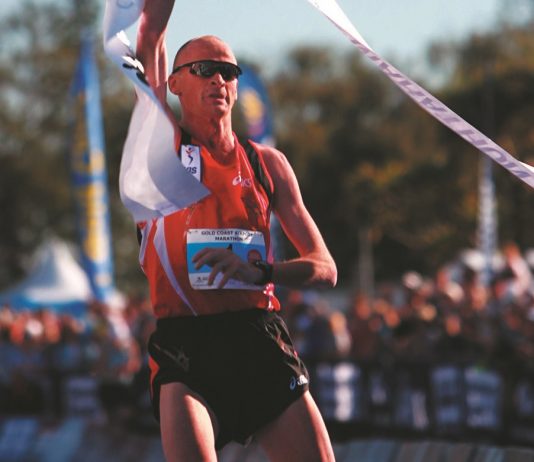
The first occasion I recall meeting Lee Troop was when Julian Paynter brought him along for a Sunday morning run at the 1993 national championships in Brisbane. ‘Troopy’ had finished sixth in the U20 5000 metres the night before, a race won by Andrew Letherby. By the time we got back from that run almost two hours later two things were apparent. Lee Troop could run – and he could talk. It’s no surprise, then, that over 20 years later Troop is still running and, one way or another, he is still talking, be it as a coach, a mentor, an advocate for the sport. He was, and is, passionate about his running and articulate in expressing that passion.
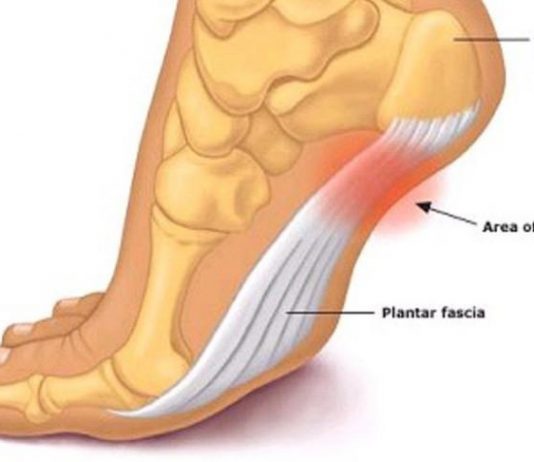
Plantar fasciitis is one of the most common causes of plantar heel pain in both runners and non-runners, and one of the most prevalent causes of foot pain in general with 10% of people experiencing plantar fasciitis across their lifespan (1). Plantar fasciitis affects both sedentary and athletic people. It is estimated that approximately 1 in 10 people experience heel pain at some point. Although plantar fasciitis occurs at all ages, the highest risk of occurrence of plantar fasciitis is between 40 and 60 years of age. There is no known sex bias.
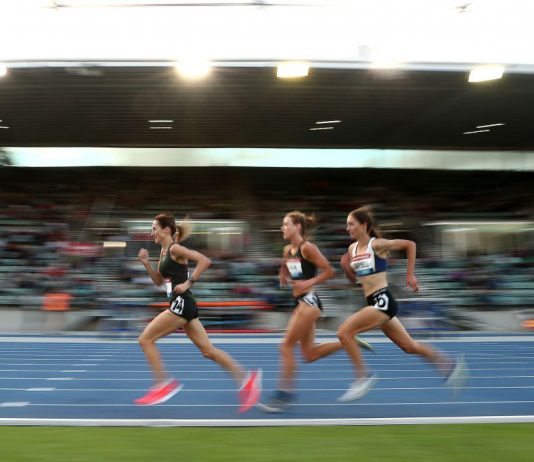
Seasoned runners will be fully aware of the sheer amount of annoying injuries which can be sustained throughout the course of the year. These aches and pains can be incredibly frustrating and disheartening, particularly if you're mid-way through a training period. Calf injuries are all too frequent amongst the...
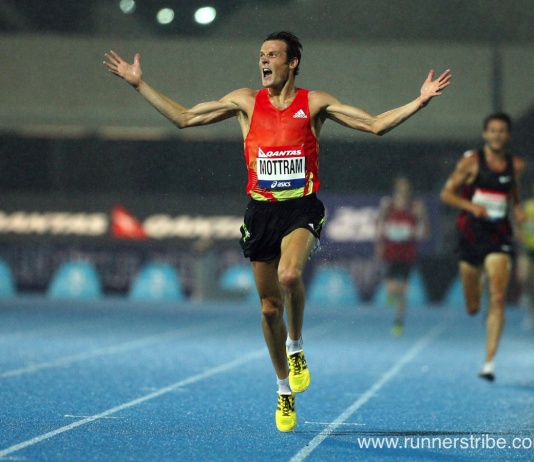
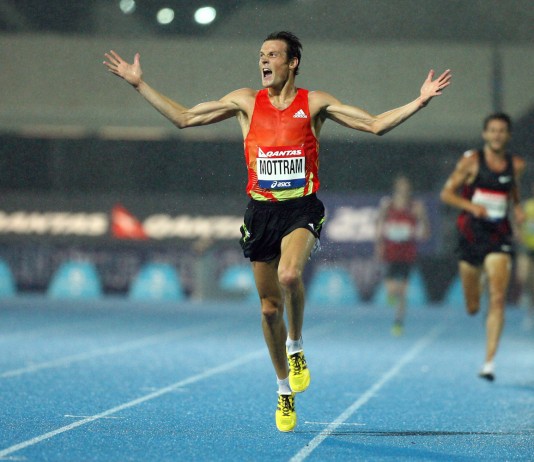
The Training of Craig ‘Buster’ Mottram “I didn’t think I would see an Australian do what he is doing. To have an Australian under 13 minutes for 5km is unbelievable.” -Steve Moneghetti Free Sources: – With thanks for help from Neil MacDonald from Geelong Cross Country Steve Moneghetti once blamed Craig Mottram for...
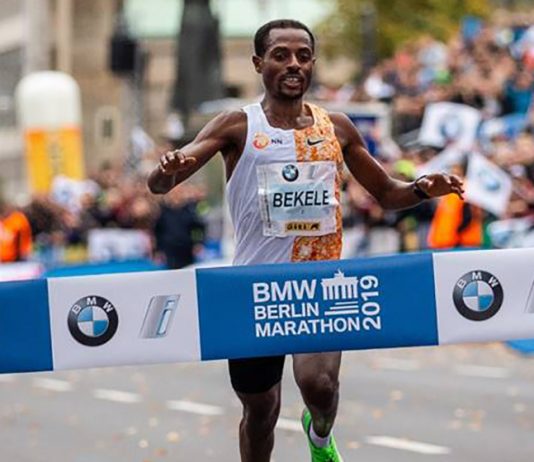
The second fastest marathon runner in history is the total package. Machine on the track, machine on the roads. Amazing kick, and a major championship performer.We took a look at a bunch of sessions that Bekele completes on a regular basis in the lead-up to a major marathon.
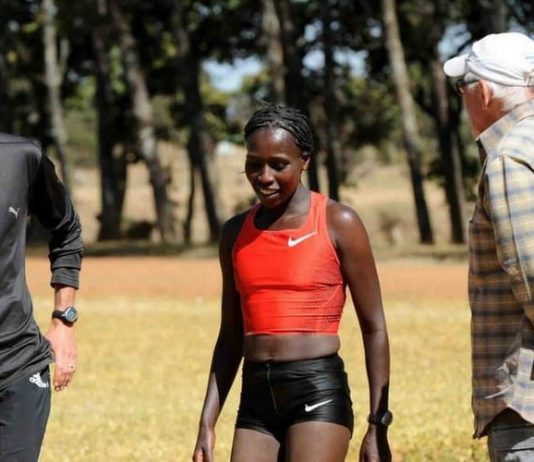
The great coach Renato Canova has a unique approach to marathon training. For Canova, training for the marathon is all about race pace training, not mileage. Race pace sessions are by far the most important element to preparing for the marathon, every other aspect of training is geared towards this goal. Canova argues that fast long runs, is the reason why the world has seen such a reduction in world record times. Ron Clarke led the way, he was well known for smashing his long runs at close to 3 minutes per km. Canova’s approach to marathon training is unique to the traditional line of thinking. Below are the key elements to Canova’s philosophy: